
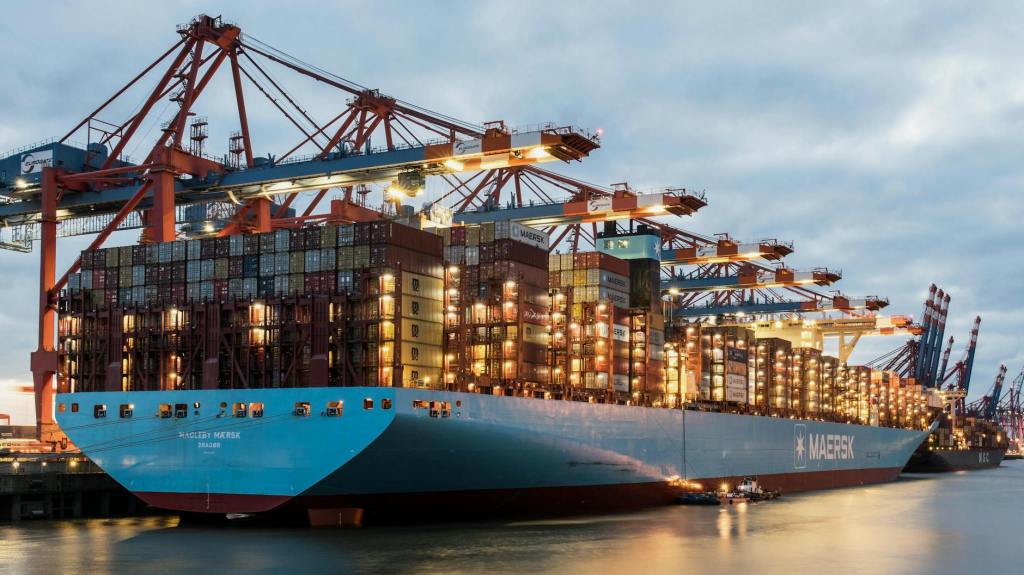
When you think of shipping giants like Maersk, social media innovation might not be the first thing that comes to mind. But that’s exactly what happened when Jonathan Wichmann took the helm of Maersk Line’s social media strategy in 2011. Once considered a “boring” industry, shipping got a much-needed makeover, and Maersk was at the forefront of that change.
Why Social Media for a B2B Company?
Traditionally, social media has been seen as a tool for personal connections and B2C companies—think fashion brands, tech gadgets, or food chains. But Wichmann saw an untapped opportunity for Maersk, a B2B company, to use social media in a whole new way. Instead of focusing only on selling services, he decided to build relationships, share stories, and, ultimately, humanize the brand. Wichmann drew inspiration from companies like Dell and GE, who were already making waves with their online presence. These brands were successfully using social platforms to connect with their customers and share more than just product information—they were building trust and rapport. Maersk wanted to do the same, but with a twist that fit their unique space in the shipping industry.
Facebook First: Making Waves with Historical Photos
One of Wichmann’s first big moves was to embrace Facebook as a storytelling platform. It might seem surprising that a B2B shipping company would choose Facebook over more “business-like” platforms such as LinkedIn, but it was a genius move that proved fruitful even to this day. Maersk started posting historical photos of its ships, adding a touch of humor and personality. This move wasn’t about promoting their services directly but telling the company’s story in a way that resonated with a wider audience. The posts were engaging, and soon, people who had never cared about shipping became followers—customers, employees, and shipping enthusiasts alike.
Expanding to Other Platforms: A Tailored Strategy for Each
As the Facebook campaign gained momentum, Maersk spread its wings across other platforms. Twitter was used for company news, LinkedIn took a more professional approach, and Instagram highlighted the visual appeal of their ships and operations. They also dabbled in Pinterest, Google+, Vimeo, Flickr, and more. Each platform had its own tailored strategy. Instagram and Facebook showcased the brand’s personality through images, while Twitter humanized the company with customer service interactions and industry news. Even platforms like Tumblr, typically seen as niche, were leveraged to engage employees, giving them a place to share their own experiences working with the shipping giant.
Engaging with the Social Media Community
Maersk’s approach wasn’t just about posting content—it was about engaging with their audience. Wichmann understood that social media is a two-way street. He encouraged Maersk to interact with followers, respond to questions, and use polls to understand their audience better. This was key to their success. Rather than seeing social media as a channel to push products, Maersk used it as a tool to create genuine connections. This community-centric approach is what allowed them to grow such a large, engaged following. In fact, Maersk’s Facebook page eventually reached 780,000 fans—a huge number for a company in such a niche industry.
Benefits and Risks: What Did Maersk Gain?
The benefits of Maersk’s social media presence were massive. They became trendsetters in the shipping industry, proving that even the most traditional sectors can thrive on social media. They built relationships with customers, engaged employees, and humanized their brand in a way that made them stand out from the competition. But, of course, there were risks too. Social media is unpredictable. The transparency and openness that Maersk embraced also left them vulnerable to negative feedback. They had to navigate the tricky waters of customer complaints, legal risks, and competitive exposure.
The Results: A Digital Footprint That Changed the Game
The numbers spoke for themselves. Maersk saw huge growth on all its social platforms. In addition to the 780,000 Facebook fans, they garnered 40,000 Twitter followers, 30,000 LinkedIn connections, and 22,000 Instagram followers. Beyond the numbers, their social media efforts also increased job applications by 600%, boosted employee satisfaction, and improved productivity by 20-25%. Maersk wasn’t just about logistics and shipping anymore—they were a brand that people wanted to connect with, both online and offline.
Key Takeaways for Other B2B Companies
So, what can other B2B companies learn from Maersk’s success? The main takeaway is that social media isn’t just for B2C brands. If a shipping company can turn social media into a powerhouse for engagement, so can you. The key is to focus on communication over pure marketing. Share your story, humanize your brand, and build relationships. If you’re authentic and consistent, you’ll find your audience—even if you’re in a niche industry.

About the Author
Brittny Hatfield is a marketing, communications and social media enthusiast based in Oklahoma. She has worked in marketing positions in higher education and senior living and received her BSBA with a concentration in marketing. When not working, she enjoys sending time with her family, cooking and traveling.
 BHat Marketing
Leave a comment