

Do you remember the trend in the late aughts on Facebook? You know, where women would post their name and the color of their bra or make mention of “I like it on…” followed by a location. The intent behind these posts were to raise awareness for breast cancer though some argue that the posts drastically missed the mark.
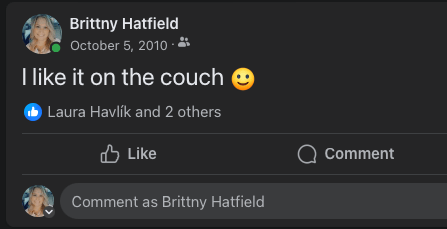
Yes, even I jumped on that bus early in October of 2010. I was living in Germany at the time and had lost my grandmother a few years prior to breast cancer, so when I received the instructions and details via messenger, I immediately posted.
Viral Sensation
The message went viral, with thousands of posts going live every day and soon all you could see when opening your Facebook feed were colors and locations. Women around the globe were joining in, posting to their own profiles and posting on profiles of breast cancer foundations such as Susan G. Komen. Men were scratching their heads, trying to figure out what it all meant. One of the “rules” included not sharing the information with them in an effort to further raise awareness.

So Was it Successful?
It depends on who you ask. Those who actively participated and were aware of why the messages were spreading may say yes. Some will say impact on the actual fight against actual breast cancer is actually nill. In terms of social media mobilization, it is hard to say. Yes, people were active and made the trend go viral, but the intent was to raise awareness for breast cancer across social media. There are a few issues with the campaign that muddy the waters.
Timing – The trend started and ended in October, which is already designated as breast cancer awareness month. Between the NFL, celebrity influencers and general awareness it is hard to differentiate between what traffic was driven from which source, where exactly donations originated and what prompted someone to want to participate. If the posts were made in a different month and donations/website traffic spiked, it would be easier to say yay or nay if awareness was raised.
Reach – The goal of the campaign was to spread awareness for breast cancer. This was successful amongst women. But what about men? Men are susceptible to breast cancer as well as women. An entire gender was intentionally left in the dark during this awareness campaign. A study in Nigeria found that almost half of men sampled – 49.2% – encouraged their partners to be screened for breast cancer. With a statistic that high, men should made aware of the importance of screening if not for themselves, then for the loved ones in their lives.
Confusion Amongst Women – While the posts were meant to be shared only by women, the only way to know what the viral trend was about was to receive the instructions in a message. This was confusing for women who were in the same boat as men – they saw the posts but didn’t know why. Some women asked their friends or family members about the trend, others just didn’t care.

Create Action, Not Awareness
As an awareness campaign, this trend was successful, but the creator did not include any kind of call to action that would help participants engage in cyberactivism. Changes were not made, no actions happened. Something as simple as “like and share a post from Susan G. Komen’s page” or “after you make this post, donate a dollar” would have been more beneficial, it would have given purpose behind the posts.
When you’re done reading this, you should donate a dollar for breast cancer research.
 BHat Marketing
Leave a comment